
What is remote therapy?
- Remote therapy is any method where the therapist and client(s) are not in the same room
- It could mean both client and therapist meet at the same time, as they would in person, and communicate remotely, such as;
- Video call e.g. Zoom
- Voice call e.g. telephone
- Instant messaging e.g. WhatsApp chat
- Instant video or voice recordings e.g. WhatsApp videos or voice notes
- Or there could be a planned delay in communication. For example, the client could send the therapist a message/messages at one time, and the therapist replies at a pre-agreed time. This could be via;
- Messaging e.g. WhatsApp chat
- Video or voice recordings e.g. WhatsApp videos or voice notes
- It could be any combination of the above, as agreed between the therapist and client(s).
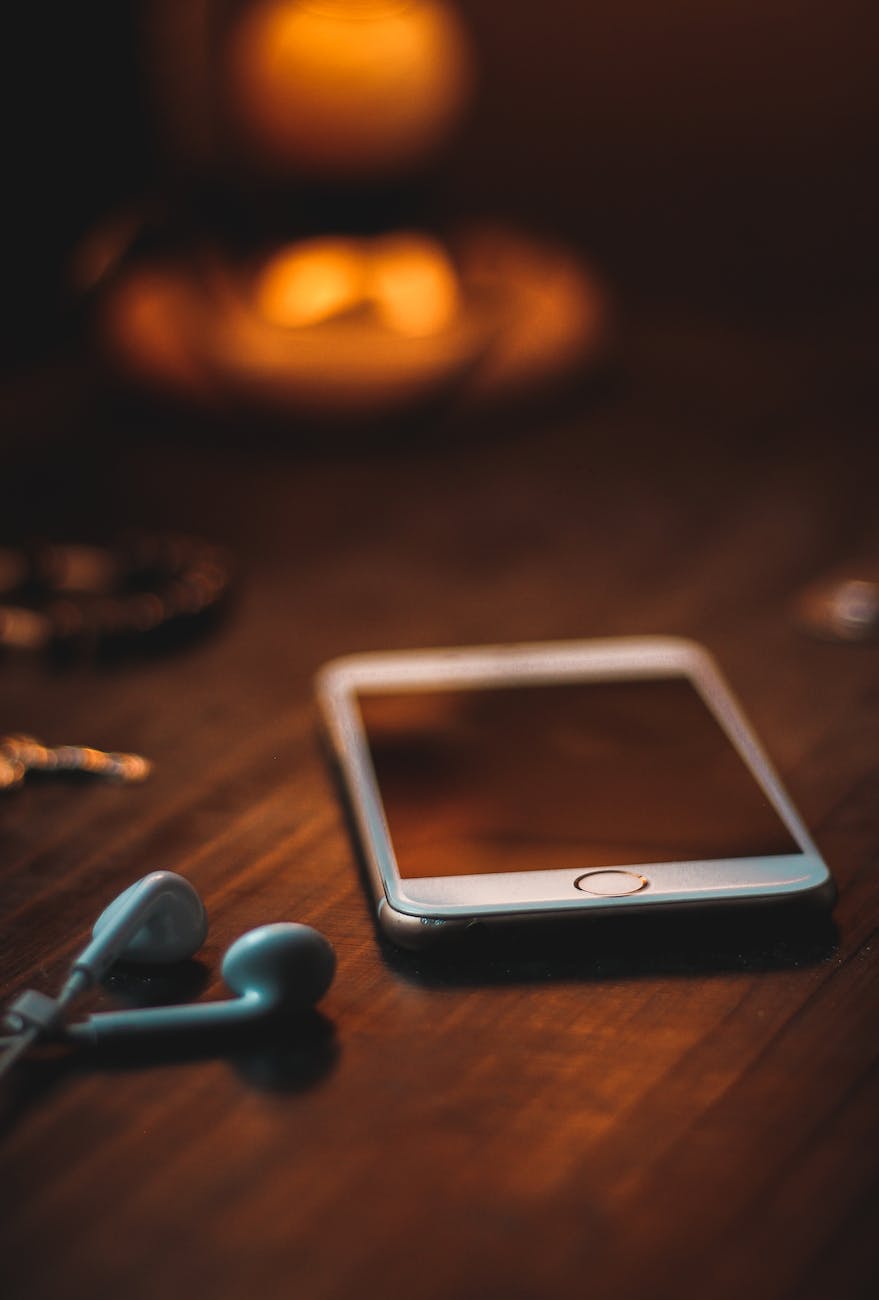
Making therapy more accessible.

Why choose remote therapy?
Reasons why someone might choose remote therapy:
- No need to commute so no need to pay for travel or parking, no need to plan your journey, no extra time or energy used
- Convenience/easier to fit into everyday life
- Comfort/familiar surroundings
- More choice over your environment
- More choice over type and length of appointments
- Eliminates many environmental challenges and barriers to attending regularly
- Less pressure to make eye contact (but achievable when needed)
- Less pressure (but easier access) to speaking spontaneously
- More discreet/easier to keep it private and confidential
- More accessible e.g. for people living with chronic and intermittent symptoms like migraine, fatigue, reduced mobility, sensory sensitivities, social or communication differences
- More flexible/at times that suit you
- Enables access to therapists out of your immediate area
This means that for many people, there will be fewer barriers to building the emotional connection and trusting relationship crucial to therapy.
Is remote therapy right for you?
Things to consider:
- Privacy, safety, and confidentiality – is there a private space where you can safely discuss personal issues without being overheard?
- Your computer and phone – do you have access to a computer, phone, or tablet, which you feel confident in using?
- Internet connection/phone signal – do you have a stable internet connection and phone signal in your private space?
- Communication and preference – do you feel comfortable communicating using video or voice calls, by email or messaging?

We will discuss considerations, preferences, needs, and questions you have before starting therapy.
 Gömböc Sphere Therapy Practice